Academic Profiles of the 27 Nakshatras
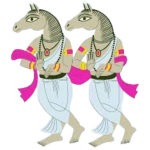 1. Aśvinī
- Etymology: “Horse‑born,” associated with swiftness
- Symbol: Horse’s head
- Deity: Aśvin Kumāras (divine physicians)
- Shakti: Śīghra Vyāpana — the power to reach things quickly
- Ruler: Ketu
- Psychological Themes: Initiative, healing instinct, impulsivity
- Moon in Aśvinī: Produces a mind oriented toward rapid action, problem‑solving, and renewal.
 2. Bharaṇī
- Etymology: “To bear or carry”
- Symbol: Yoni
- Deity: Yama (god of restraint)
- Shakti: Apabharaṇa — the power to remove or cleanse
- Ruler: Venus
- Psychological Themes: Intensity, endurance, moral testing
- Moon in Bharaṇī: Indicates emotional depth, strong will, and transformative tendencies.
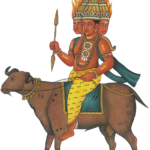 3. Kṛttikā
- Etymology: “The cutters”
- Symbol: Razor or flame
- Deity: Agni (fire)
- Shakti: Dahana — the power to burn or purify
- Ruler: Sun
- Psychological Themes: Sharp perception, purification, assertiveness
- Moon in Kṛttikā: Produces a discerning, fiery mind with strong moral clarity.
4. Rohiṇī
- Etymology: “The red one,” associated with growth
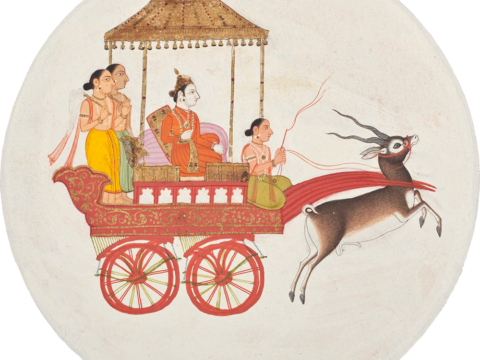
- Symbol: Chariot
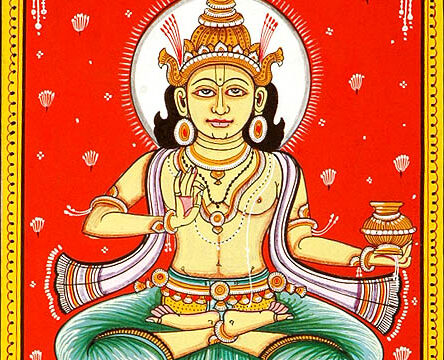
- Deity: Brahmā
- Shakti: Rohana — the power of growth
- Ruler: Moon
- Psychological Themes: Creativity, sensuality, fertility
- Moon in Rohiṇī: Considered highly auspicious; indicates emotional stability and aesthetic refinement.
 5. Mṛgaśīrṣā
- Etymology: “Deer’s head”
- Symbol: Deer
- Deity: Soma
- Shakti: Prāpti — the power to seek and find
- Ruler: Mars
- Psychological Themes: Curiosity, restlessness, searching
- Moon in Mṛgaśīrṣā: Produces a sensitive, inquisitive mind with a gentle temperament.
6. Ārdrā
- Etymology: “Moist,” associated with storms
- Symbol: Teardrop
- Deity: Rudra
- Shakti: Yatna — the power of effort
- Ruler: Rahu
- Psychological Themes: Intensity, catharsis, emotional turbulence
- Moon in Ārdrā: Indicates transformative emotional experiences and intellectual depth.
 7. Punarvasu
- Etymology: “Return of the light”
- Symbol: Quiver of arrows
- Deity: Aditi
- Shakti: Vastuva Prapana — the power to restore
- Ruler: Jupiter
- Psychological Themes: Renewal, optimism, resilience
- Moon in Punarvasu: Produces a nurturing, philosophical, and forgiving temperament.
 8. Puṣya
- Etymology: “To nourish”
- Symbol: Lotus or udder
- Deity: Bṛhaspati
- Shakti: Brahmavarchasa — the power to create spiritual energy
- Ruler: Saturn
- Psychological Themes: Discipline, nourishment, devotion
- Moon in Puṣya: Indicates emotional maturity, stability, and a protective nature.
 9. Āśleṣā
- Etymology: “The entwiner”
- Symbol: Serpent
- Deity: Nāgas
- Shakti: Vishaharaṇa — the power to inflict or remove poison
- Ruler: Mercury
- Psychological Themes: Depth, secrecy, psychological complexity
- Moon in Āśleṣā: Produces intense emotional patterns and penetrating insight.
 10. Maghā
- Etymology: “The mighty”
- Symbol: Throne
- Deity: Pitṛs (ancestors)
- Shakti: Tyāga — the power to renounce
- Ruler: Ketu
- Psychological Themes: Authority, lineage, tradition
- Moon in Maghā: Indicates pride, dignity, and ancestral consciousness.
 11. Pūrva Phālgunī
- Etymology: “Former reddish one”
- Symbol: Hammock
- Deity: Bhaga
- Shakti: Pramāda — the power of enjoyment
- Ruler: Venus
- Psychological Themes: Pleasure, creativity, sociability
- Moon in Pūrva Phālgunī: Produces charm, warmth, and artistic inclination.
 12. Uttara Phālgunī
- Etymology: “Latter reddish one”
- Symbol: Bed or cot
- Deity: Aryaman
- Shakti: Chayana — the power of union
- Ruler: Sun
- Psychological Themes: Partnership, responsibility, generosity
- Moon in Uttara Phālgunī: Indicates loyalty, leadership, and social responsibility.
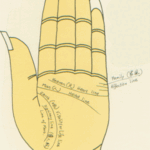 13. Hasta
- Etymology: “Hand”
- Symbol: Palm
- Deity: Savitṛ
- Shakti: Hasta Sthāpana — the power to manifest
- Ruler: Moon
- Psychological Themes: Skill, dexterity, clarity
- Moon in Hasta: Produces a clever, articulate, and emotionally perceptive mind.
 14. Chitrā
- Etymology: “The bright one”
- Symbol: Jewel
- Deity: Tvaṣṭṛ (divine artisan)
- Shakti: Rūpa Lakṣaṇa — the power to create beauty
- Ruler: Mars
- Psychological Themes: Aesthetics, craftsmanship, individuality
- Moon in Chitrā: Indicates creativity, charisma, and a strong sense of form.
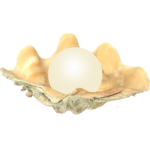 15. Svātī
- Etymology: “Independent”
- Symbol: Coral or young plant
- Deity: Vāyu
- Shakti: Pradhvamsa — the power to scatter
- Ruler: Rahu
- Psychological Themes: Independence, movement, adaptability
- Moon in Svātī: Produces a free‑spirited, flexible, and intellectually curious mind.
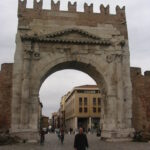 16. Viśākhā
- Etymology: “Forked”
- Symbol: Triumph arch
- Deity: Indra–Agni
- Shakti: Vyapana — the power to achieve
- Ruler: Jupiter
- Psychological Themes: Ambition, duality, determination
- Moon in Viśākhā: Indicates goal‑oriented thinking and strong social drive.
 17. Anurādhā
- Etymology: “Following Radha”
- Symbol: Lotus
- Deity: Mitra
- Shakti: Radhana — the power of devotion
- Ruler: Saturn
- Psychological Themes: Friendship, loyalty, diplomacy
- Moon in Anurādhā: Produces emotional balance, cooperation, and relational intelligence.
 18. Jyeṣṭhā
- Etymology: “The eldest”
- Symbol: Earring
- Deity: Indra
- Shakti: Arohana — the power to rise
- Ruler: Mercury
- Psychological Themes: Authority, protection, complexity
- Moon in Jyeṣṭhā: Indicates a sharp, strategic mind with protective instincts.

19. Mūla
- Etymology: “Root”
- Symbol: Tied bunch of roots
- Deity: Nirṛti
- Shakti: Bharana — the power to destroy
- Ruler: Ketu
- Psychological Themes: Deconstruction, inquiry, radical transformation
- Moon in Mūla: Produces a probing, philosophical, and intense emotional nature.
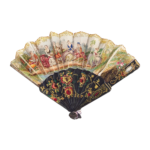 20. Pūrvāṣāḍhā
- Etymology: “Former invincible one”
- Symbol: Fan
- Deity: Apas (waters)
- Shakti: Varcho Vardhana — the power to strengthen
- Ruler: Venus
- Psychological Themes: Idealism, persuasion, emotional conviction
- Moon in Pūrvāṣāḍhā: Indicates passion, creativity, and strong personal values.
 21. Uttarāṣāḍhā
- Etymology: “Latter invincible one”
- Symbol: Elephant tusk
- Deity: Viśvadevas
- Shakti: Apradhrisya — the power of unchallengeable victory
- Ruler: Sun
- Psychological Themes: Duty, integrity, perseverance
- Moon in Uttarāṣāḍhā: Produces a principled, disciplined, and socially responsible mind.
 22. Śravaṇa
- Etymology: “Hearing”
- Symbol: Ear
- Deity: Viṣṇu
- Shakti: Shravana — the power to hear and learn
- Ruler: Moon
- Psychological Themes: Learning, listening, tradition
- Moon in Śravaṇa: Indicates a reflective, observant, and culturally rooted mind.
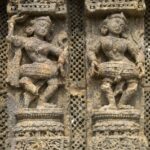 23. Dhaniṣṭhā
- Etymology: “The wealthy one”
- Symbol: Drum
- Deity: Vasus
- Shakti: Khyāpana — the power to bestow abundance
- Ruler: Mars
- Psychological Themes: Rhythm, prosperity, social mobility
- Moon in Dhaniṣṭhā: Produces adaptability, sociability, and a strong sense of timing.
 24. Śatabhiṣaj
- Etymology: “Hundred healers”
- Symbol: Circle
- Deity: Varuṇa
- Shakti: Bheshaja — the power to heal
- Ruler: Rahu
- Psychological Themes: Healing, secrecy, innovation
- Moon in Śatabhiṣaj: Indicates analytical depth, detachment, and unconventional thinking.
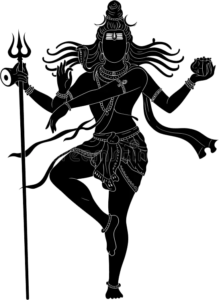 25. Pūrvabhādrapadā
- Etymology: “Former blessed foot”
- Symbol: Two‑faced man
- Deity: Aja Ekapāda
- Shakti: Yajamana Udyamana — the power to raise spiritual fire
- Ruler: Jupiter
- Psychological Themes: Intensity, idealism, philosophical extremity
- Moon in Pūrvabhādrapadā: Produces visionary thinking and emotional intensity.
 26. Uttarabhādrapadā
- Etymology: “Latter blessed foot”
- Symbol: Twin serpents
- Deity: Ahirbudhnya
- Shakti: Varshodyamana — the power to bring rain
- Ruler: Saturn
- Psychological Themes: Depth, stability, compassion
- Moon in Uttarabhādrapadā: Indicates emotional maturity, introspection, and spiritual grounding.
 27. Revatī
- Etymology: “The wealthy one”
- Symbol: Fish
- Deity: Puṣan
- Shakti: Kṣema — the power of nourishment and protection
- Ruler: Mercury
- Psychological Themes: Compassion, guidance, completion
- Moon in Revatī: Produces a gentle, empathetic, and spiritually attuned mind.