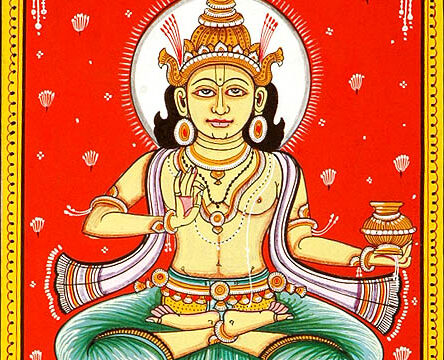
 In Vedic astrology, Chandra—the Moon—occupies a position of profound psychological and phenomenological significance. While the Sun represents the Atman or essential self, the Moon is regarded as the Manas, the reflective mind, emotional faculty, and perceptual consciousness. Classical texts such as the Bṛhat Parāśara Horā Śāstra consistently identify the Moon as the primary indicator of mental stability, receptivity, and the capacity for subjective experience. Its influence is considered second only to the Sun in shaping the fundamental structure of personality.
1. Symbolic and Conceptual Foundations
The Moon is associated with the water element, sattvic qualities, and a feminine, nurturing disposition. It governs bodily fluids, fertility, nourishment, and cyclical rhythms, reflecting its astronomical phases and tidal influence. Anatomically, the Moon presides over the mind, stomach, breasts, and lymphatic system, symbolizing its role in nourishment and emotional regulation. Its waxing and waning phases are interpreted as metaphors for psychological fluctuation, adaptability, and the dynamic nature of human emotion.
2. Core Astrological Significations
Chandra is the principal significator of:
- Mind, emotions, and psychological temperament
- Memory, imagination, and perceptual sensitivity
- Mother, maternal care, and early nurturing environment
- Public life, popularity, and social receptivity
- Fluidity, adaptability, and daily habits
- General well-being and mental health
A strong Moon is associated with emotional stability, empathy, intuitive intelligence, and social ease. An afflicted or weak Moon may manifest as anxiety, mood instability, hypersensitivity, or difficulties in forming secure attachments.
3. Psychological and Physiological Influence
Psychologically, the Moon represents the internalized emotional landscape—the capacity to feel, respond, and adapt. It governs instinctive reactions, comfort-seeking behavior, and the formation of subjective meaning. Physiologically, its rulership over bodily fluids and nourishment aligns with its symbolic role as the provider of emotional and physical sustenance. The Moon’s condition in the natal chart is therefore a critical determinant of mental resilience and psychosomatic balance.
4. Mythological and Cultural Context
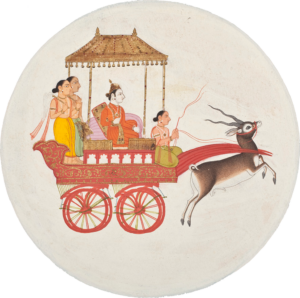
In Vedic mythology, Chandra is depicted as a luminous deity born from the churning of the cosmic ocean (Samudra Manthana). He is associated with Soma, the divine elixir of vitality and immortality, reinforcing his connection to nourishment and rejuvenation. Chandra’s relationships with the 27 Nakshatras—personified as his wives—symbolize the Moon’s movement through the lunar mansions and its role in shaping temporal cycles, ritual timing, and agricultural rhythms. These narratives underscore the Moon’s function as a regulator of time, fertility, and emotional life.
5. Zodiacal and Temporal Influence
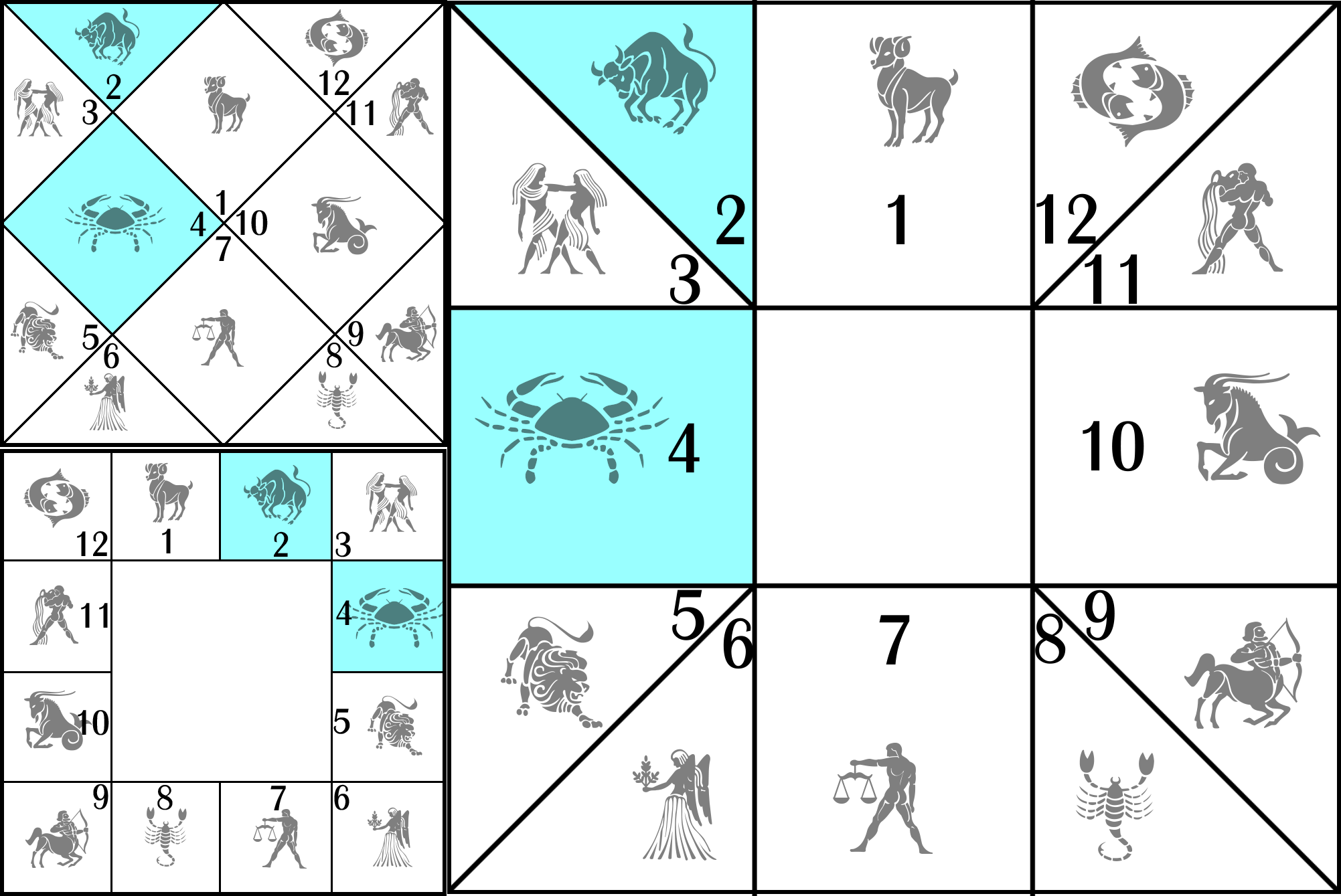
The Moon rules the sign Cancer, a domain associated with emotional depth, protection, and domesticity. It is exalted in Taurus at 3°, where its qualities of stability, comfort, and sensory grounding are most effectively expressed. Unlike the Sun, which remains in each sign for approximately one month, the Moon moves rapidly—spending roughly 2.25 days in each sign—reflecting its dynamic psychological influence. Its placement in the natal chart reveals the individual’s emotional needs, instinctive responses, and patterns of attachment.
6. The Moon as a Determinant of Personality
In Vedic astrology, the Moon sign (Rāśi) is often considered more influential than the Sun sign in determining temperament and behavioral tendencies. The Moon chart (Chandra Lagna) is frequently used to assess emotional resilience, interpersonal dynamics, and the timing of events. A well‑placed Moon enhances adaptability and psychological coherence, while a debilitated Moon may indicate vulnerability to stress, emotional reactivity, or instability in personal relationships.